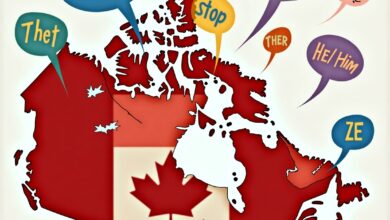
What if Canada Became the 51st State? A Logical Look at the People and the Positives
The idea of Canada joining the United States has long been a topic of speculation and conversation—sometimes serious, sometimes tongue-in-cheek. But what would really happen if Canada became the 51st state? Let’s explore this hypothetical scenario from a logical standpoint, focusing on the impacts for people on both sides of the border and examining some potential positives that could emerge.
1. Political and Governance Changes
- Shifts in Representation
If Canada were to become a U.S. state, Canadians would suddenly find themselves represented in the U.S. Congress rather than the Canadian Parliament. Members of Parliament (MPs) would effectively be replaced by U.S. Senators and Representatives, altering the political landscape. Canadians might gain greater input into U.S. federal laws, but they would also lose the autonomy they currently have under a parliamentary system. - Federal vs. Provincial Authority
In today’s Canada, provinces have a strong degree of autonomy over areas like healthcare, education, and resource management. As a U.S. state, Canadian provincial governments would see their powers redefined, subject to U.S. federal oversight. This could lead to reforms in areas like environmental regulations, social services, and education standards—possibly with mixed reactions from Canadians used to greater local control.
2. Economic Integration
- Stronger Economic Ties
Canada and the United States are already highly integrated economically, as each other’s largest trading partners. Becoming a single nation could, in theory, streamline trade further. Cross-border tariffs, customs delays, and regulatory differences might vanish or decrease significantly, making it easier for businesses and entrepreneurs to operate on both sides of the border. - Job Opportunities and Labor Mobility
With the border effectively removed, workers would be able to move freely. This could mean new opportunities for Canadians in the United States, as well as for Americans wishing to work in Canada. Over time, certain industries—like technology, energy, and natural resources—might see significant growth in areas that were once limited by red tape. - Currency Adjustments
Adopting the U.S. dollar as the primary currency would end exchange rate fluctuations for Canadians traveling or shopping in the U.S. However, Canada would lose its ability to set independent monetary policy through the Bank of Canada—some Canadians might see this as a loss of financial sovereignty.
3. Social Services and Healthcare
- Healthcare System Integration
Canada’s universal healthcare system is a major point of national pride. Were Canada to become a U.S. state, questions would arise about whether Canadians could keep their existing healthcare structure or whether they would have to adapt to U.S. policies. A best-case scenario for proponents might see Canadians influencing healthcare reforms in the U.S., though others might worry about losing accessible care options. - Social Benefits and Policies
Canada offers a wide range of social services (e.g., family benefits, employment insurance, subsidized education). Integrating these into the U.S. social policy framework would be complex. In a positive outcome, perhaps popular Canadian programs would inspire reforms across the new “51-state” nation. In a less ideal scenario, Canadians could lose some of the social protections they currently enjoy.
4. Cultural Identity
- Preservation of Canadian Values
Canadians have a distinct cultural identity rooted in diversity, bilingualism (English and French), and a more European-influenced approach to social issues. Becoming a U.S. state could spark concerns about maintaining this unique Canadian identity. Some might worry that Canada’s cultural mosaic could be overshadowed by a larger American culture. - Potential for Cultural Enrichment
On the flip side, merging with the United States would also create a vast, multicultural society. Canadians could export their traditions and viewpoints into the wider American cultural arena, leading to a cross-pollination of ideas, cuisines, and festivals. In an optimistic scenario, the blend of cultures could produce a vibrant, enriched national identity rather than a diminished one.
5. Foreign Policy and Global Standing
- A New Powerhouse
Canada’s resources—oil, natural gas, minerals, fresh water—combined with the U.S.’s economic and military power would create an even larger global influence. This might manifest in stronger diplomatic ties, more significant international aid, or potentially in new political tensions as the enlarged U.S. takes even stronger positions on global issues. - Implications for Alliances
Currently, Canada has its own foreign policy decisions (though often aligned with the U.S.). As the 51st state, the combined country might exert even more influence on bodies like NATO, the G7, and the United Nations. The question is whether Canadian voices would effectively shift existing U.S. policies or be absorbed into them.
6. Potential Positives from a People-Centric View
- Greater Mobility and Opportunities
Removing the border means Canadians could easily move throughout the United States for work and leisure, and Americans could freely enjoy the natural beauty and opportunities in Canada. This could accelerate cultural exchange, tourism, and personal growth. - Unified Market and Talent Pool
A combined Canada-U.S. population would be a gigantic talent pool, spurring innovation and economic development. Students would have access to universities across the entire continent without worrying about international student fees or visas, potentially benefiting higher education. - Shared Resources and Technologies
Joint infrastructure projects could see improvements in public transportation, energy grids, and digital connectivity. With more resources and a larger tax base, a new 51-state union might finance large-scale projects, from improved healthcare technologies to environmental conservation initiatives—especially if Canadians influence the American approach to social programs and climate policies. - A Greater Sense of Solidarity
While cultural distinctiveness is vital, the idea of a North American community might foster a sense of broader solidarity. From disaster relief to humanitarian efforts, a more unified continent could respond effectively to crises, both domestically and abroad.
Concluding Thoughts
The idea of Canada joining the United States as its 51st state is, at this point, purely hypothetical. Yet it captures the imagination because it underlines how much Canada and the U.S. have in common—as well as the distinct differences that define each nation’s identity.
From a people-centric and logical standpoint, there would certainly be significant changes: the political system would shift, social services could be reshaped, and Canadians might have a nuanced battle to preserve their cultural identity. At the same time, there are possible upsides, from streamlined economic cooperation to greater mobility and a larger sense of community.
In the end, the question of a “51st state” boils down to how much sovereignty Canadians would be willing to trade for potential economic and social benefits, and whether Americans would be open to the profound transformations that a vast new state with a unique history and cultural perspective could bring. Regardless, the conversation itself helps highlight both the interwoven nature of North America’s two largest countries and the values each holds most dear.
Disclaimer: This blog post has been generated using AI tools and is based on information and data gathered from credible online sources. While every effort has been made to ensure accuracy, readers are encouraged to verify and research independently for detailed legislative and regulatory specifics.