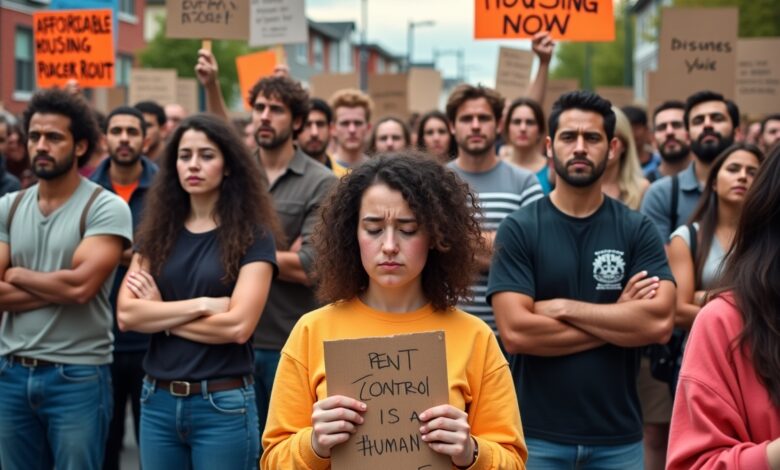
Strengthening Housing Affordability: Why Canada Needs Rent Control and Government Oversight of Property Values
Canada is in the midst of a housing crisis. Skyrocketing rents, unaffordable home prices, and a lack of supply have left millions of Canadians struggling to find stable and affordable housing. While the federal and provincial governments have introduced various measures to address the issue, more decisive action is needed. One critical step forward is the implementation of robust rent control policies and the establishment of a government body to oversee and regulate the value of landlords’ properties. Here’s why these measures are essential and how they could work.
The Case for Rent Control
Rent control is a policy that limits how much landlords can increase rent annually, ensuring that tenants are not priced out of their homes due to sudden or exorbitant hikes. While some argue that rent control discourages investment in housing, the reality is that unchecked rent increases have left many Canadians—particularly low- and middle-income earners—vulnerable to housing insecurity.
Why Rent Control is Necessary:
- Protecting Tenants from Exploitation: In cities like Toronto and Vancouver, where demand for rental units far exceeds supply, landlords often raise rents to unsustainable levels. Rent control would prevent predatory practices and ensure that housing remains affordable for long-term tenants.
- Stabilizing Communities: Frequent rent hikes force tenants to move frequently, disrupting communities and putting pressure on social services. Rent control fosters stability, allowing families to put down roots and build stronger neighborhoods.
- Balancing Power Dynamics: Without rent control, landlords hold disproportionate power over tenants, who often have little recourse against unfair increases. Rent control levels the playing field and ensures fairness in the rental market.
How Rent Control Should Work:
- Nationwide Standards: The federal government should establish a framework for rent control, setting a maximum allowable annual rent increase (e.g., tied to inflation or a fixed percentage). Provinces and municipalities could then adapt these standards to local conditions.
- Exemptions for New Developments: To encourage the construction of new rental housing, newly built units could be exempt from rent control for a set period (e.g., 10–15 years). This balances tenant protection with the need to increase supply.
- Transparency and Enforcement: Landlords should be required to provide clear documentation of rent increases, and tenants should have access to an independent body to resolve disputes.
Government Oversight of Property Values
In addition to rent control, the Canadian government should establish a regulatory body to oversee the valuation of landlords’ properties. This would ensure that property assessments are fair, transparent, and aligned with the goal of housing affordability.
Why Oversight is Needed:
- Preventing Speculation: Real estate speculation drives up property values, making housing unaffordable for both renters and buyers. A government body could monitor and regulate speculative practices, ensuring that housing is treated as a necessity rather than a commodity.
- Fair Taxation: Property taxes are often based on assessed values, which can fluctuate dramatically. Oversight would ensure that assessments are accurate and equitable, preventing landlords from passing excessive tax burdens onto tenants.
- Data-Driven Policy: A centralized body could collect and analyze data on property values, rental rates, and housing trends, enabling evidence-based policymaking.
How Oversight Should Work:
- Independent Valuation Authority: The government should create an independent authority responsible for assessing property values. This body would use standardized criteria to ensure consistency and fairness.
- Regular Assessments: Properties should be reassessed regularly (e.g., every 2–3 years) to reflect market conditions and prevent sudden spikes in value.
- Transparency and Accountability: Landlords and tenants should have access to detailed information about how property values are determined. The authority should also be accountable to the public, with mechanisms for addressing grievances.
The Bigger Picture: Housing as a Human Right
Rent control and property value oversight are not silver bullets, but they are critical components of a broader strategy to address Canada’s housing crisis. At its core, this issue is about recognizing housing as a human right, not just a market commodity. By implementing these measures, the Canadian government can take meaningful steps toward ensuring that everyone has access to safe, stable, and affordable housing.
Additional Measures to Consider:
- Increased Investment in Affordable Housing: The government should prioritize the construction of non-market housing, including co-ops and social housing.
- Tenant Protections: Strengthen eviction protections and provide legal support for tenants facing displacement.
- Incentives for Responsible Landlords: Offer tax breaks or grants to landlords who maintain affordable rents and invest in property upkeep.
Conclusion
Canada’s housing crisis demands bold action. Rent control and government oversight of property values are practical, equitable solutions that can protect tenants, stabilize communities, and ensure that housing remains affordable for all. By taking these steps, the Canadian government can demonstrate its commitment to putting people before profits and building a more just and inclusive society.
The time to act is now. Let’s make housing affordability a reality for every Canadian.
Disclaimer: This blog post has been generated using AI tools and is based on information and data gathered from credible online sources. While every effort has been made to ensure accuracy, readers are encouraged to verify and research independently for detailed legislative and regulatory specifics.